Buying at Serenity Beach
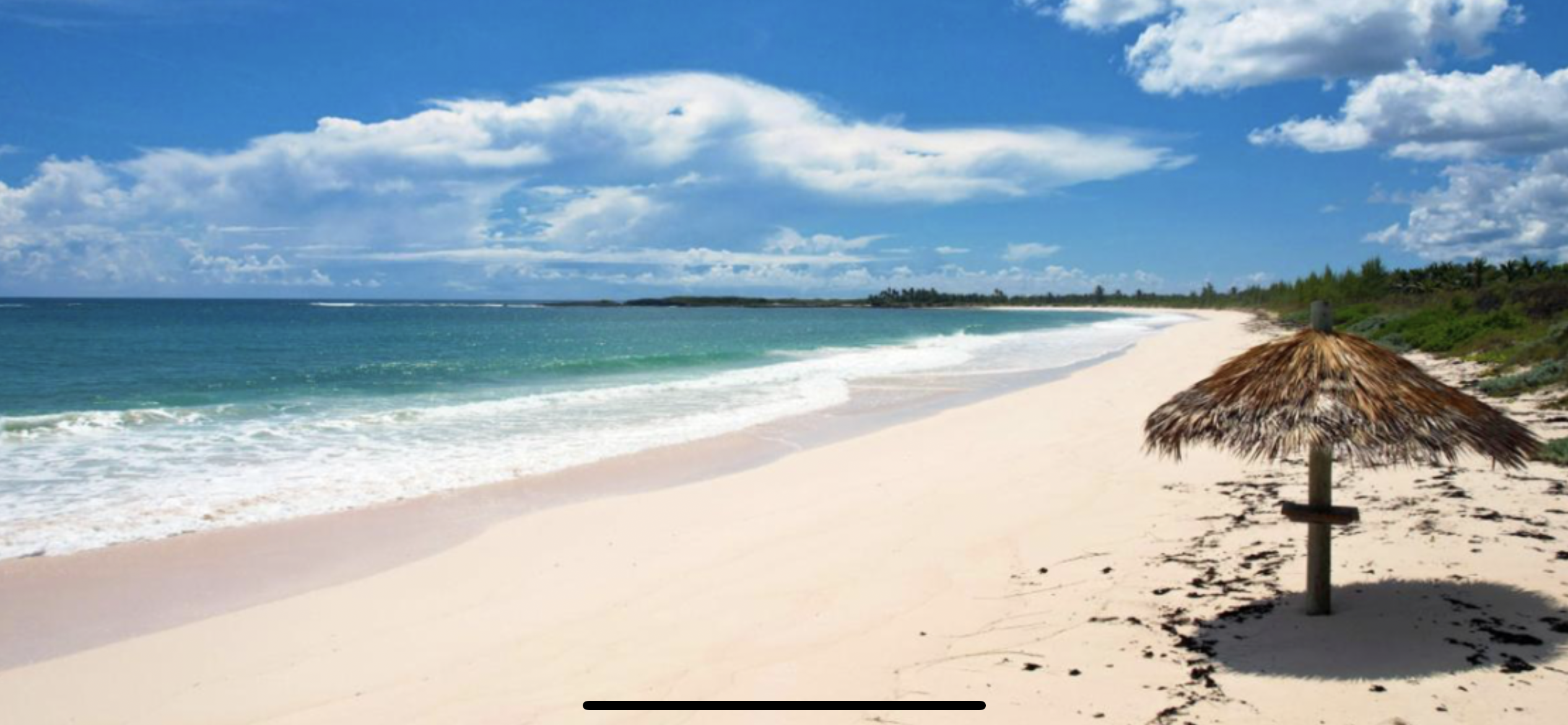
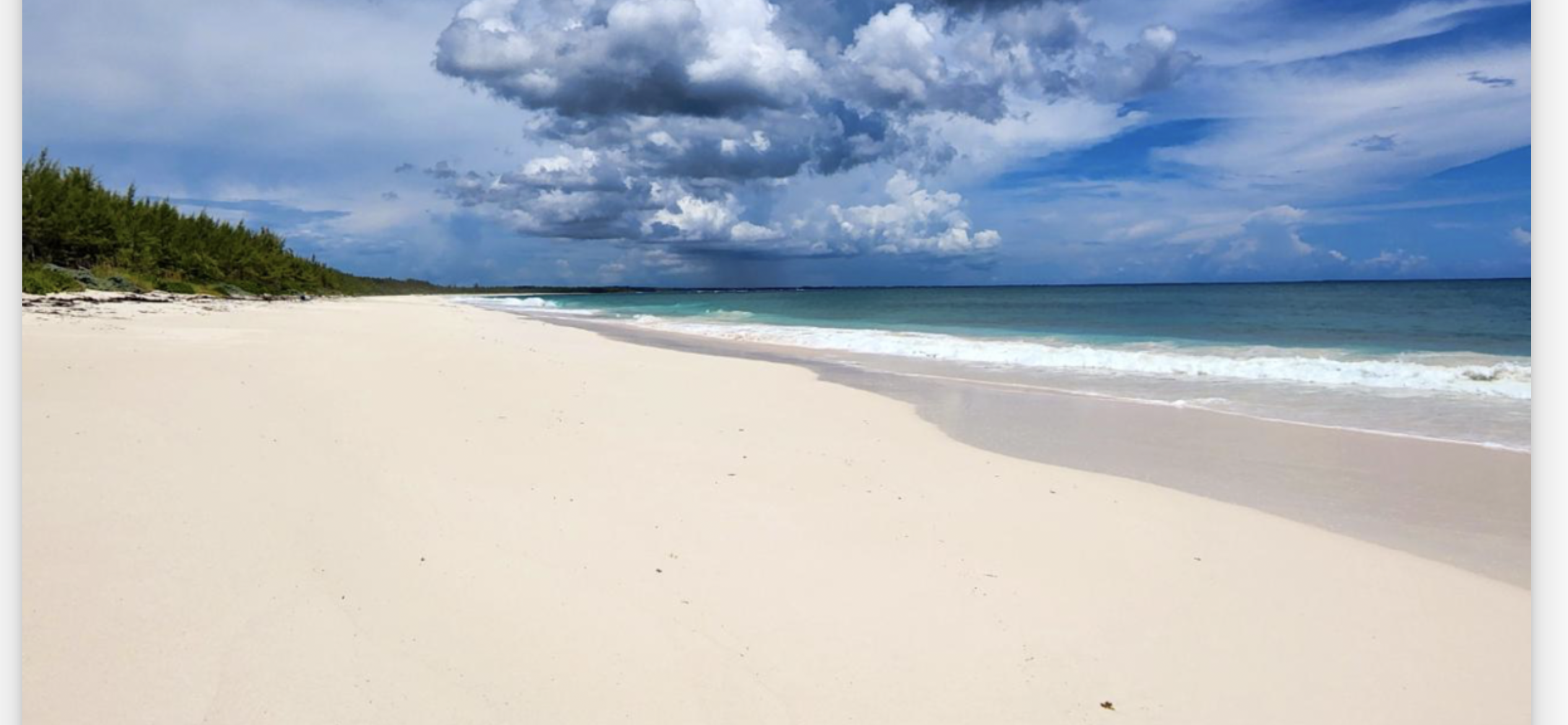
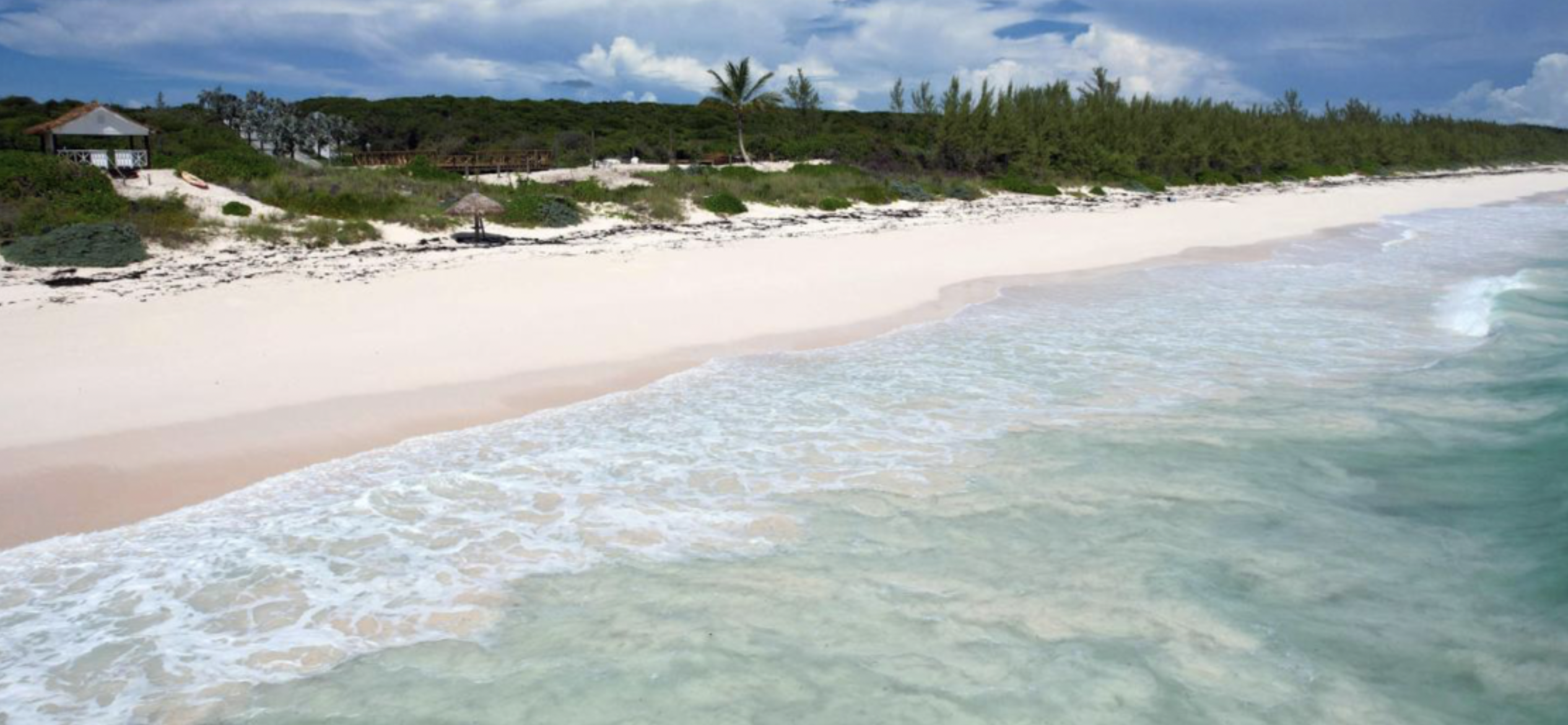
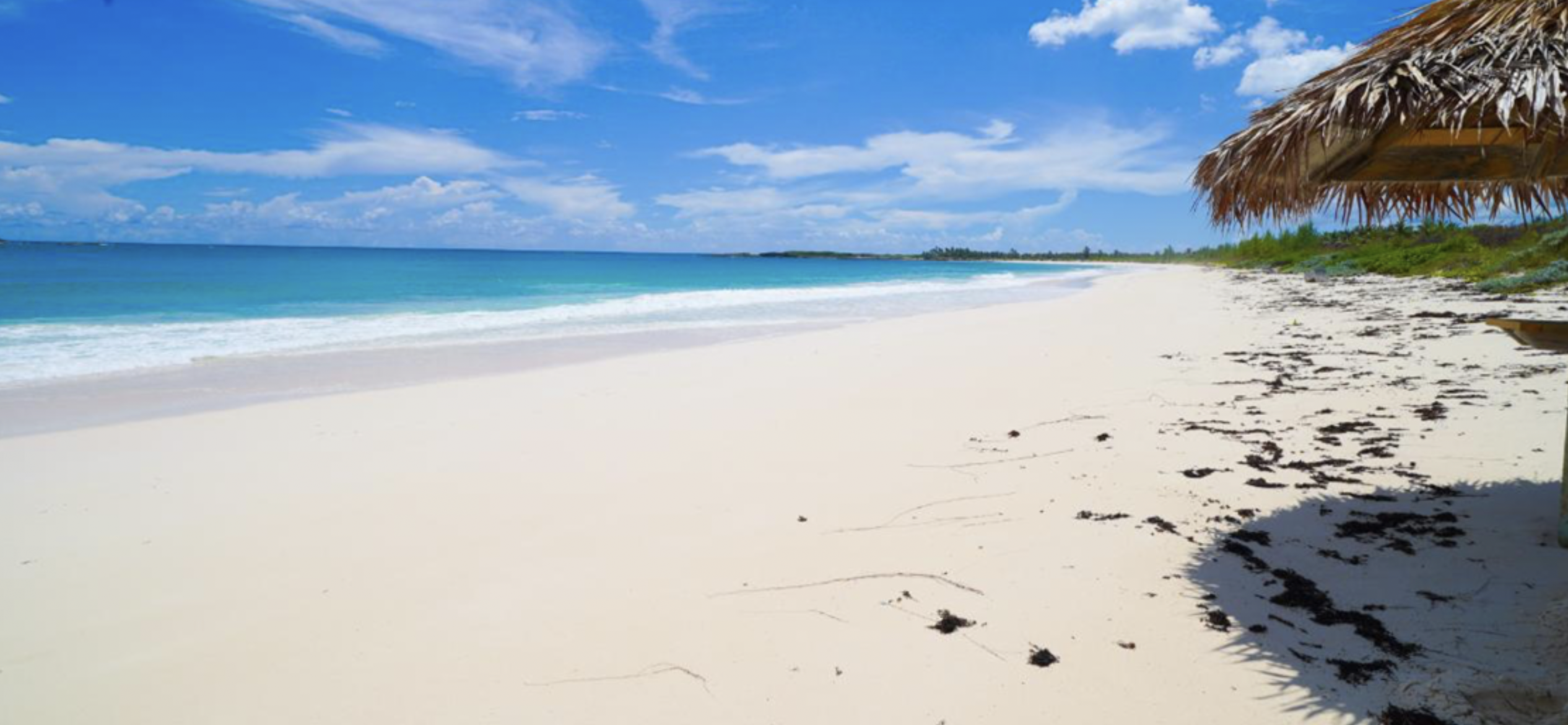
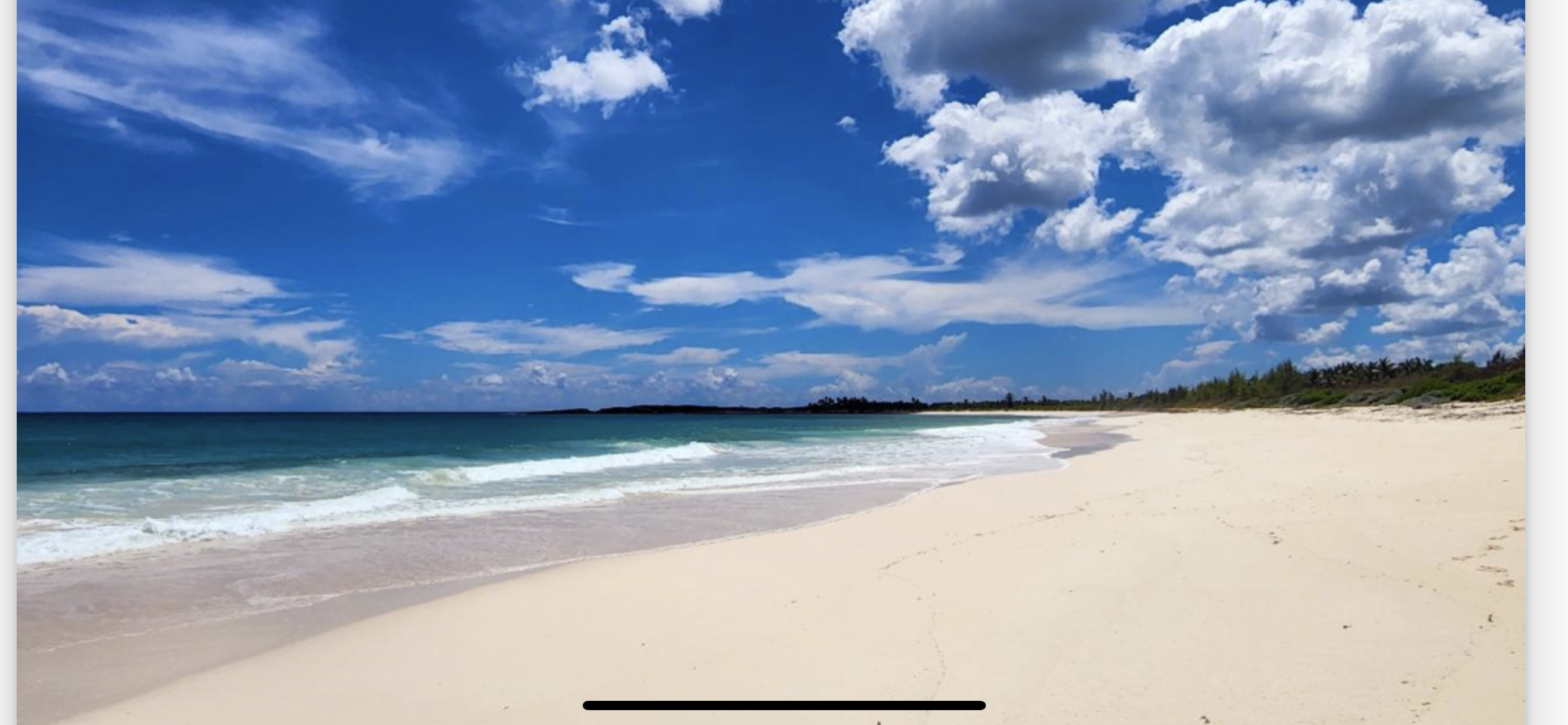
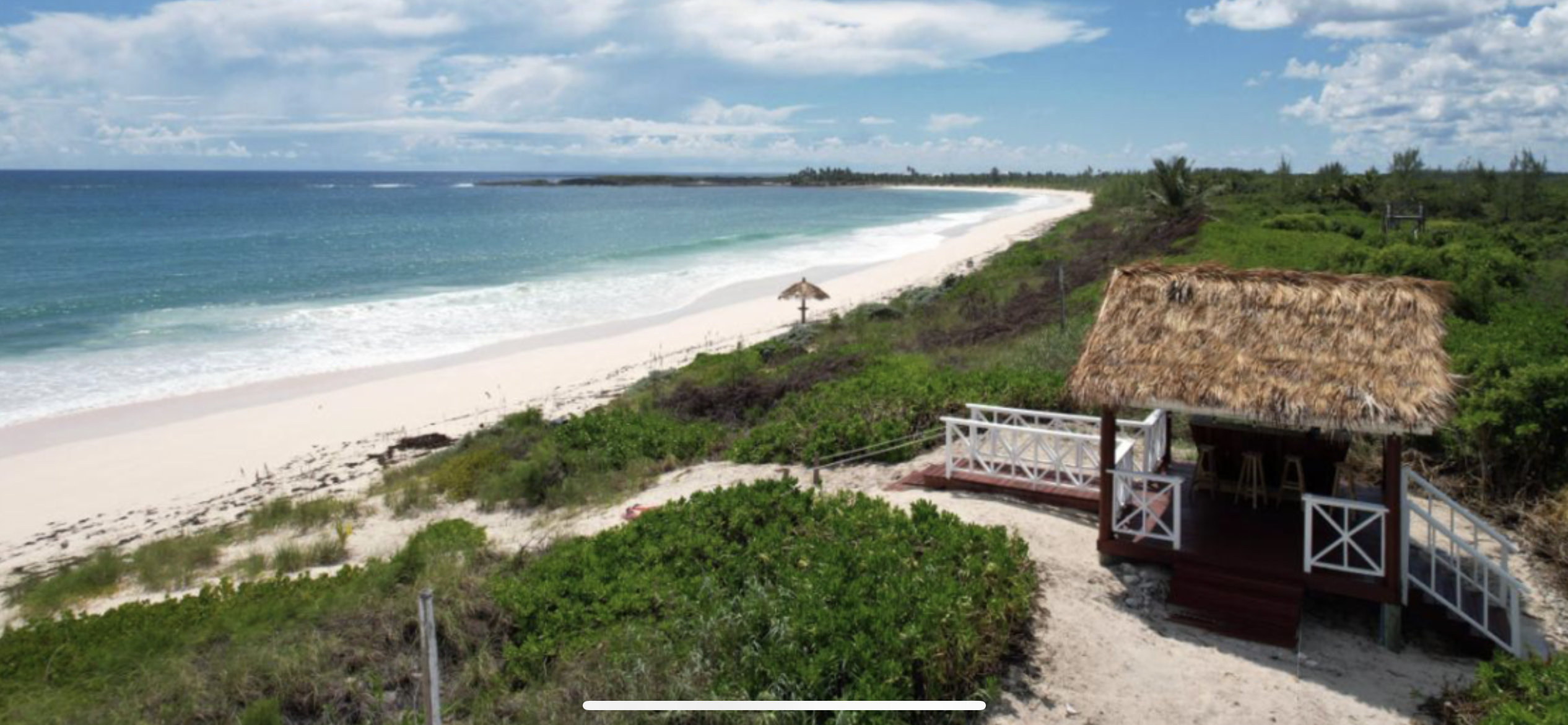
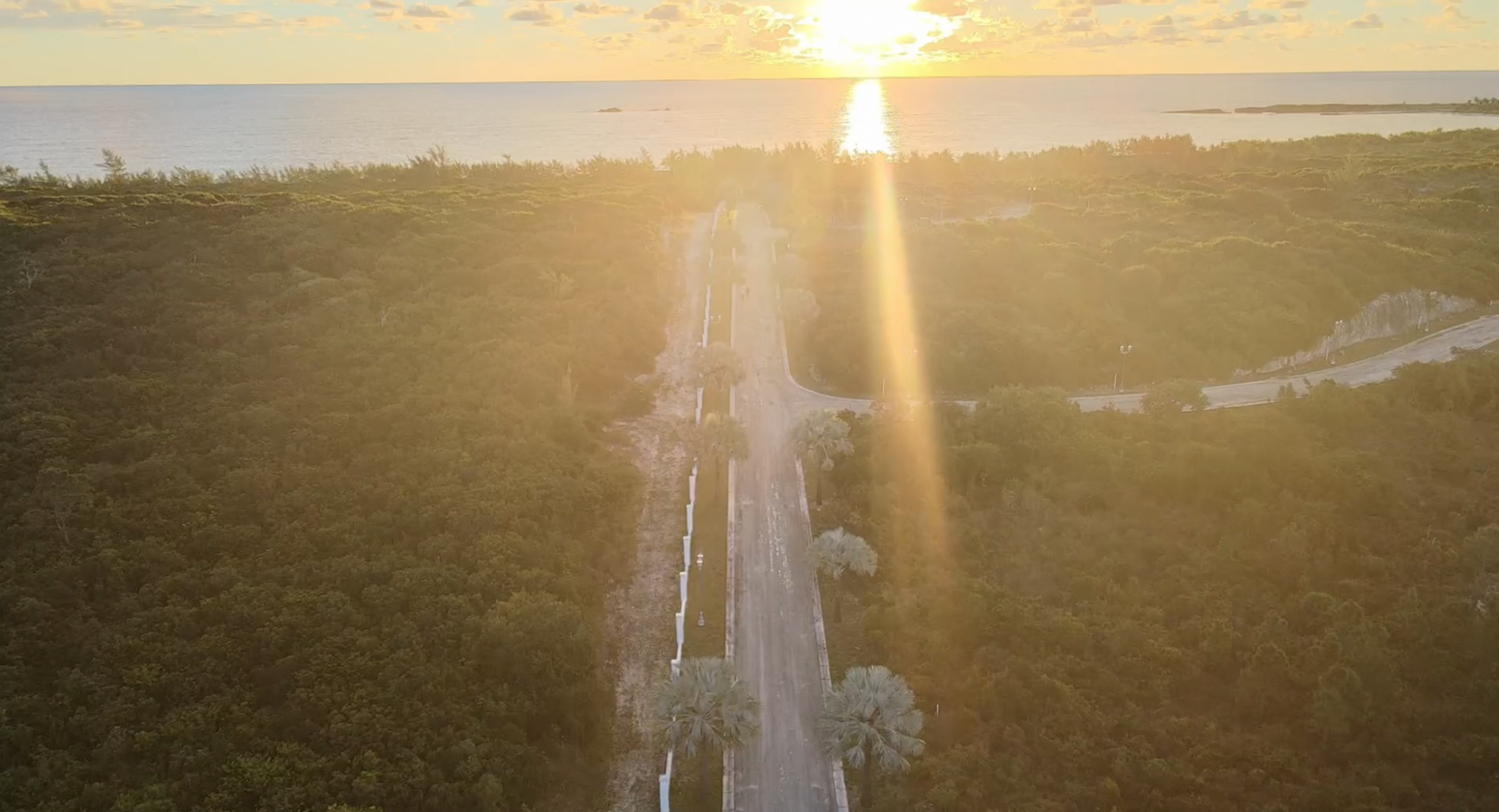
Serenity Beach is a single, finite piece of land: approximately forty acres on the Atlantic coast of Great Abaco, with approximately 815 feet of direct frontage on a bay that runs two miles of unbroken sand. The approved master plan provides 98 freehold residences across four tiers and a nine-key boutique resort. Phases 1 and 2, the twenty-two recorded homesites across three elevation tiers described below, are the first stage of that plan. Individual parcel sales are paused while the asset is marketed as a whole; the schedule is provided for reference.
The schedule above lists every parcel by name, area, elevation, frontage and orientation. Enquiries about the asset are handled through Luxury Hospitality Advisors and the principal.
The three tiers
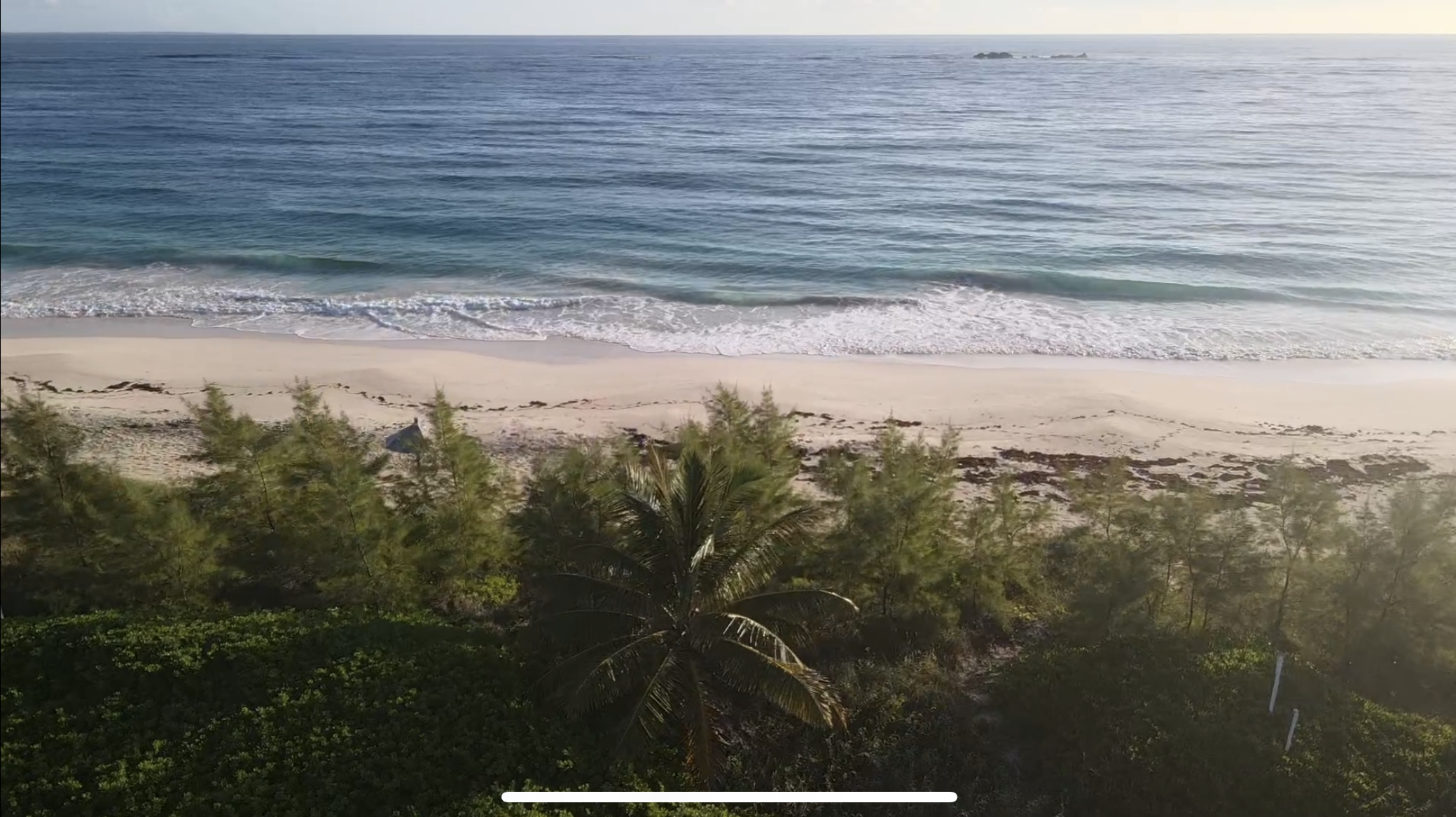
Beachfront. Seven parcels between approximately ten and twenty feet above sea level, each with direct beach frontage of roughly 90 to 112 feet. These are the only parcels in the plan that touch the sand.
Oceanview. Eight parcels on the middle terrace, approximately ten to forty-five feet in elevation, a short walk from the beach.
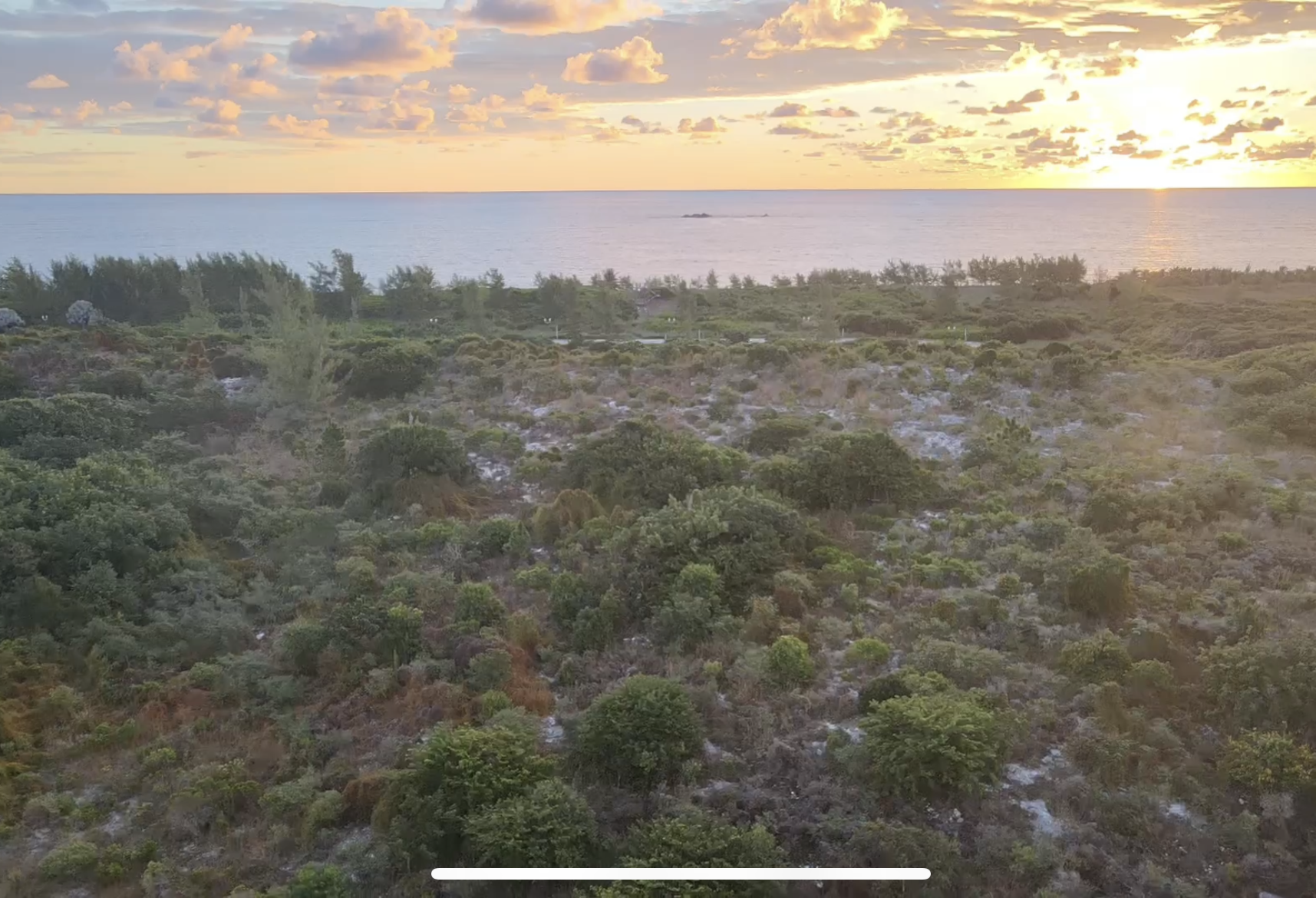
Vista. Seven parcels on the ridge at approximately thirty to seventy feet, the highest ground in this part of Abaco. Dual aspect: sunrise over the Atlantic, sunset over the Sea of Abaco and the Marls beyond.
All areas, dimensions and elevations are approximate, are taken from the master plan, and are subject to final survey and the recorded subdivision documentation. Views are not guaranteed and may be affected by future construction on neighbouring parcels, by vegetation growth, and by permitted improvements.
Owning as a non-Bahamian
The Bahamas has permitted foreign ownership of residential property for decades, and the framework is codified rather than discretionary. What follows is a summary current as of September 2026. It is not legal or tax advice, and buyers should take Bahamian counsel.
Title and registration
Non-Bahamians acquire freehold title. Under the International Persons Landholding Act, many acquisitions of a single-family dwelling are completed by filing a Certificate of Registration with the Investments Board. A Permit is required instead where the land is two or more contiguous acres of undeveloped land, or where the property is acquired for commercial or investment purposes rather than as a residence.
An amendment effective 1 July 2025 introduced a completion window for acquisitions made under a Permit, with provision for extension on prior notice. Thresholds, timing and extension requirements are set by the Act as amended and by current Board practice, and must be confirmed by Bahamian counsel for the specific transaction.
Transaction costs
Since 1 July 2022, transfers of real property attract Value Added Tax on the conveyance rather than the former stamp duty. For transfers to individuals the rate is graduated: 2.5% up to $100,000; 4% to $300,000; 6% to $500,000; 8% to $700,000; 9% to $1,000,000; and 10% above $1,000,000. Transfers to a company or other entity are charged at a flat 10%. Legal fees and any agent commission are additional and are customarily allocated by agreement.
Ongoing taxation
The Bahamas does not levy a general income tax, capital gains tax, withholding tax on dividends or inheritance tax. Real property tax applies. Rates and reliefs depend on how a property is classified and on assessed value under the Real Property Tax Act as amended, and non-Bahamian owners should obtain a written assessment for a specific parcel from Bahamian counsel before contracting.
United States citizens remain subject to US citizenship-based taxation regardless of where they live and must continue to file US returns.
Residence
Property ownership does not by itself confer residence, and two routes should not be confused. An annual Homeowner’s Residence Card is available to owners of a residence in The Bahamas and facilitates entry and stay for the owner and immediate family. An Economic Certificate of Permanent Residence requires a qualifying investment; that minimum was increased to BSD $1,000,000 with effect from 1 January 2025, and current policy requires the qualifying investment to be held for a minimum period. Permanent residence may be granted at the discretion of the Immigration Board. It is not guaranteed by any level of investment and does not confer the right to vote.
Buyers acquiring below the Economic Permanent Residence threshold should plan on the Homeowner’s Residence Card route and take Bahamian immigration advice.
Rental and use
Section 12(6) of the International Persons Landholding Act permits the seasonal rental of an exclusive dwelling house without a variation of permit. Whether a particular ownership structure and rental arrangement falls within that provision, or requires a Permit for commercial use, is a question for Bahamian counsel and is best settled before closing rather than after.
Owners who wish to arrange property management or rental administration may do so with independent local operators, and the sponsor can provide introductions. The sponsor does not operate a rental pool, does not guarantee rental income, and makes no representation as to rental returns.
How a purchase proceeds
Request the current parcel schedule. Visit the site, which we arrange directly. Agree terms, instruct Bahamian counsel, and complete the registration or permit step applicable to the parcel and to your intended use. Closing timelines in The Bahamas commonly run thirty to forty-five days once terms are agreed, subject to the registration or permit route.
Serenity is a founder-led development. Enquiries reach the principal directly.